Dental Stem Cells for Tooth Regeneration and Repair
Abstract
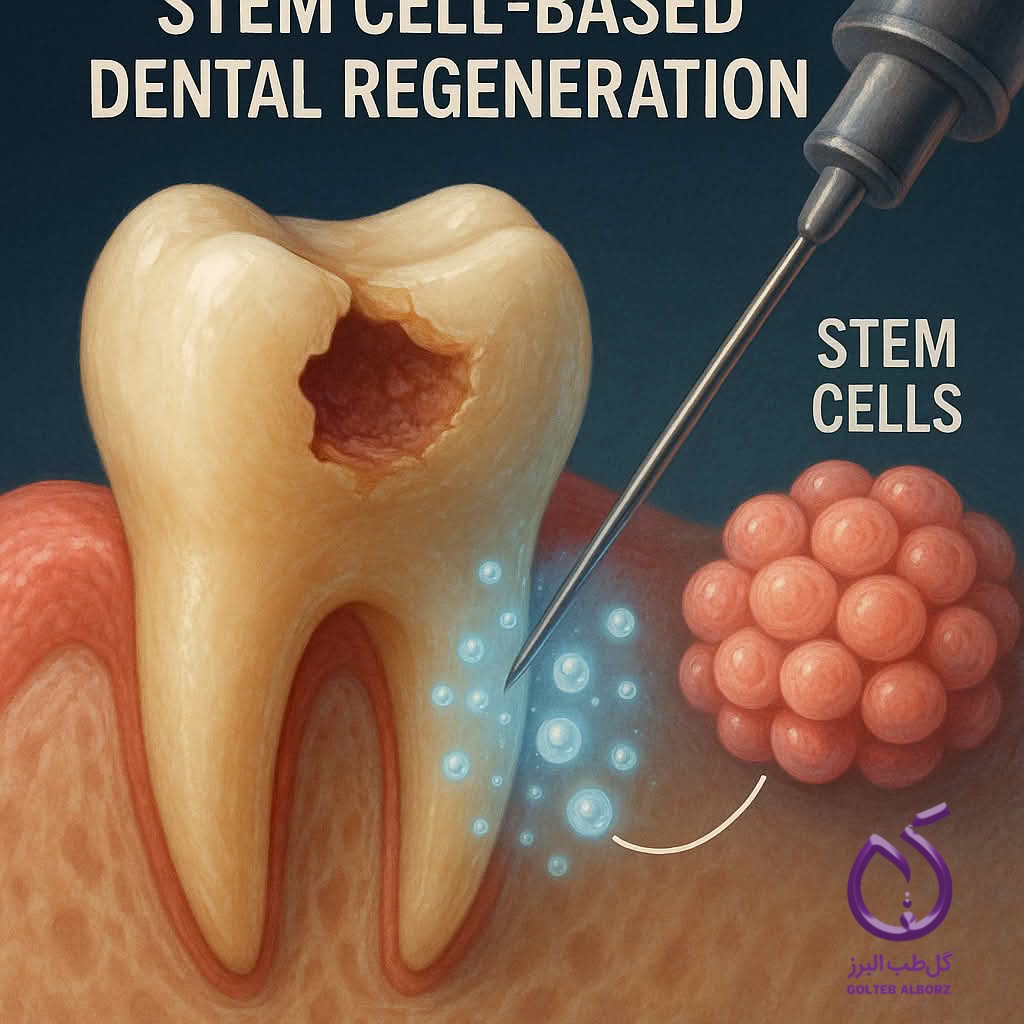
The field of regenerative dentistry is rapidly evolving, particularly with the promising potential of human dental stem cells (DSCs) derived from postnatal teeth, extracted wisdom teeth, or exfoliated deciduous teeth. These mesenchymal stem cells possess significant differentiation capabilities, making them a focal point for research and application in tooth repair and regeneration. This essay explores the properties, applications, and future prospects of dental stem cells in regenerative medicine, highlighting their potential to transform traditional dental treatments.
Introduction
The pursuit of effective dental tissue regeneration has garnered considerable interest in recent years, driven by the limitations of conventional restorative techniques. Dental stem cells represent a novel approach, offering the possibility of not just repairing but regenerating damaged or lost dental tissues. Recent advancements in understanding the biological characteristics and regenerative potential of these stem cells have opened new avenues for treatment options in dentistry.
Properties of Dental Stem Cells
Human dental stem cells are primarily categorized into several populations, including dental pulp stem cells (DPSCs), stem cells from the apical papilla (SCAP), and periodontal ligament stem cells (PDLSCs). These cells exhibit remarkable plasticity, capable of differentiating into various cell types such as odontoblasts, osteoblasts, chondrocytes, adipocytes, myocytes, and neurons. Their ability to respond to injury and participate in tissue repair is underscored by the activation of signaling pathways, such as Notch signaling, which plays a crucial role in maintaining stem cell niches within the dental pulp.
Protocols for isolating and culturing these stem cells have been developed and refined over time. Mesenchymal stem cell markers like STRO-1, CD146, and CD44 are commonly employed to isolate DPSCs effectively. The successful differentiation of these cells into functional dental tissues has been demonstrated through various preclinical studies, including the generation of pulp-dentin tissues via ectopic transplantation combined with biomaterials like hydroxyapatite/tricalcium phosphate.
Applications in Regenerative Dentistry
The application of dental stem cells extends beyond basic research; numerous preclinical studies have illustrated their efficacy in enhancing bone augmentation and healing periodontal diseases. Ongoing clinical trials aim to validate these findings and assess the clinical feasibility of employing dental stem cells in routine dental practice. The integration of stem cells with scaffolds and bioactive molecules has shown promise in accelerating the repair processes of impaired dental tissues.