
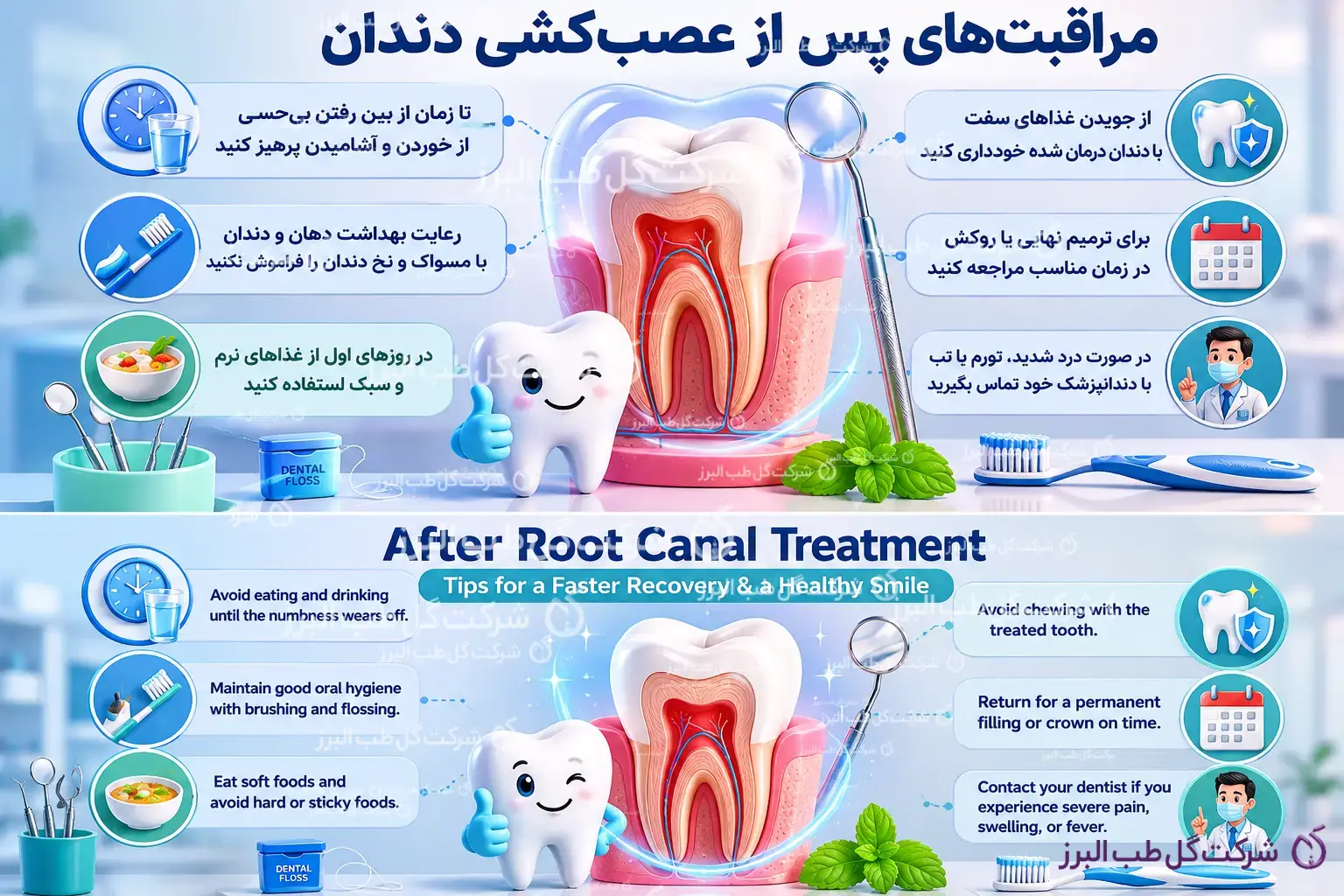
Post-Root Canal Care: Everything Patients Need to Know
Root canal treatment is one of the most effective ways to preserve teeth that have been severely damaged or affected by pulp infection. After undergoing a root canal procedure, many patients have questions about pain, eating, brushing, and caring for the treated tooth. Following your dentist’s instructions after treatment plays a crucial role in ensuring successful healing and long-term treatment success.
What Happens After a Root Canal?
Once the procedure is completed and the anesthetic wears off, you may experience mild pain or sensitivity around the treated tooth and surrounding tissues. This is normal and usually subsides gradually within a few days.
Some patients also notice a different sensation in the treated tooth. For example, it may feel as though something is inside the tooth, or the tooth may feel unusual when touched by the tongue. This sensation is typically temporary and resolves over time.
How Long Should You Wait Before Eating After a Root Canal?
Avoid eating or drinking until the numbness has completely worn off. Anesthesia can make it difficult to feel your lips, cheeks, or tongue, increasing the risk of accidentally biting and injuring the soft tissues of your mouth.
What Foods Should You Eat After a Root Canal?
During the first few hours and days after treatment, it is best to consume soft foods that place minimal pressure on the treated tooth, such as:
- Soup
- Yogurt
- Mashed potatoes
- Eggs
- Soft rice
- Smoothies and beverages that are not excessively hot or cold
It is also advisable to avoid hard, crunchy, and sticky foods such as ice, nuts, crispy rice, hard candies, and chewing gum until the tooth receives its final restoration.
Can You Brush and Floss After a Root Canal?
Yes. Maintaining good oral hygiene after root canal treatment is extremely important. Brushing, flossing, and using a mouthwash if recommended by your dentist should continue as part of your daily routine.
If the tooth has a temporary filling, brush and floss gently around the area to avoid damaging the temporary restoration.
Caring for a Tooth with a Temporary Filling
In many cases, a tooth is temporarily sealed after root canal treatment until it can be permanently restored or crowned at a later appointment.
During this period:
- Avoid chewing on the side of the mouth where the treated tooth is located.
- Avoid hard foods.
- Contact your dentist if the temporary filling comes out completely.
Losing a small portion of the temporary filling is not always a cause for concern, but complete loss should be evaluated by your dentist.
Take Prescribed Medications as Directed
If your dentist prescribes pain medication or antibiotics, take them exactly as instructed. Not all patients require antibiotics after root canal treatment, and self-medicating is not recommended.
Why Is a Permanent Restoration or Crown Important After a Root Canal?
Many teeth that undergo root canal treatment become weaker because part of their structure has been lost. For this reason, your dentist may recommend a permanent filling or a dental crown.
Completing the restoration on time helps prevent:
- Tooth fracture
- Recontamination by bacteria
- The need for retreatment
- Tooth loss

Click on the photo to view it in full size.
What Symptoms Are Not Normal?
Contact your dentist if you experience any of the following:
- Severe or worsening pain after several days
- Swelling of the face or gums
- Fever
- Pus discharge
- A broken tooth or temporary filling
- A sensation that the tooth feels too high when biting
Frequently Asked Questions
Will the Tooth Be Left Open After a Root Canal?
No. After root canal treatment, the tooth is typically sealed with a temporary filling or restorative material to prevent bacteria and contaminants from entering the root canal system. However, this restoration is temporary, and you should return within one to two weeks, as recommended by your dentist, for a permanent restoration or crown to protect the tooth and reduce the risk of fracture.
How Long Will the Numbness Last After a Root Canal?
The duration of numbness depends on the type of anesthetic used and individual factors, but it generally lasts between two and four hours. In some patients, numbness of the lips, cheeks, or surrounding tissues may persist for a few additional hours. For this reason, it is recommended to avoid eating and drinking until normal sensation has fully returned.
Why Does the Treated Tooth Feel Different After a Root Canal?
Many patients notice a different sensation in the treated tooth after a root canal. The tooth may feel slightly hollow, or it may feel unusual when touched by the tongue. This is usually due to the temporary filling and the normal response of surrounding tissues to treatment. In most cases, the sensation resolves after the final restoration and a period of healing.
Can You Eat and Drink with a Root Canal-Treated Tooth?
Once the numbness has worn off, you can eat and drink. However, until the tooth receives its permanent restoration or crown, it is best to avoid chewing with the treated tooth. Chew on the opposite side of your mouth and avoid hard, sticky, or crunchy foods that could damage the tooth or temporary filling.
Can You Resume Normal Activities After a Root Canal?
Yes. Most patients can return to their normal daily activities, including work, driving, studying, and other personal tasks immediately after treatment. Only in cases where special medications have been administered or specific instructions have been provided by your dentist may temporary restrictions apply. However, you should continue to exercise caution while eating and drinking until the numbness has completely disappeared.